
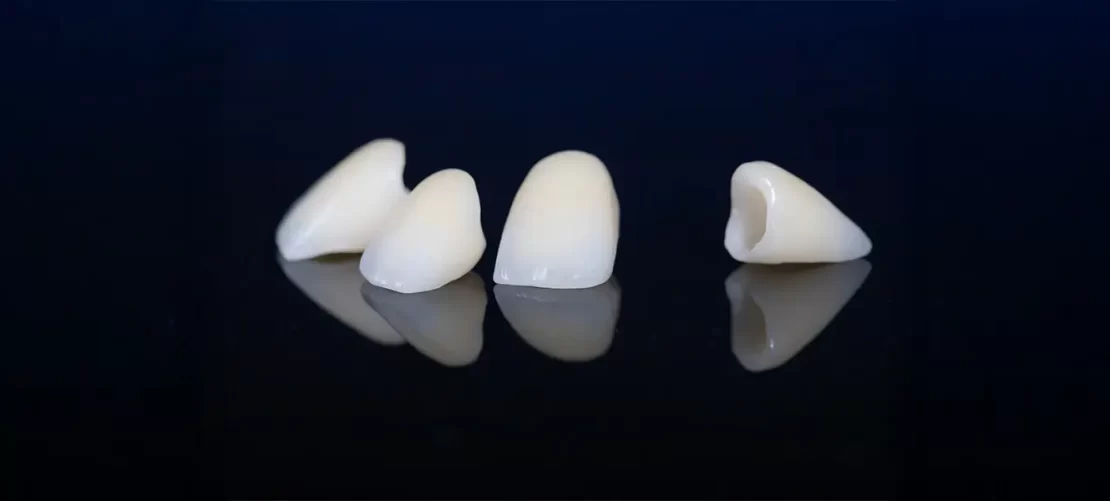
How Dental Crowns Help After Root Canal Treatment?
A root canal removes infection and pain, but it also leaves the tooth hollow and more fragile than before. That’s why dentists often recommend a crown soon after the tooth heals. A well-made crown seals the tooth, restores chewing strength, and blends with your smile. The following guide covers why teeth can become weaker after a root canal, how getting a dental crown near you restores protection, and what to expect for longevity.
Why Teeth Become Weaker After a Root Canal?
In this procedure, your dentist clears out the infected pulp, sterilizes the inner tooth, and fills the canals to stop bacteria from coming back. While this solves the infection, it changes the tooth’s structure:
- Less internal support. Removing the pulp and shaping the canal space leaves the tooth with thinner internal walls.
- Existing cracks and decay. Teeth that need root canals often arrive already damaged by deep cavities or previous fractures.
- Loss of moisture. Over time, a non-vital tooth may become more brittle because it no longer has the same fluid exchange as a vital tooth.
Because of these factors, chewing forces, especially on molars and premolars, can trigger cracks or even full fractures if only a filling remains. A tooth crown treatment adds the external “shell” that the tooth now lacks.
How Does a Crown Seal and Protect the Treated Tooth?
The main goal following a root canal is to safeguard the tooth and help it function as naturally as possible. A dental crown acts like a custom-fitted shield, completely sealing the treated tooth to block bacteria, moisture, and debris from entering. It also rebuilds the tooth’s outer form, helping you bite and chew comfortably again.
Beyond sealing the surface, a crown provides the structural reinforcement that the treated tooth no longer has on its own. This protection becomes especially important for molars, which endure strong chewing forces each day.
In the next sections, we’ll look more closely at how crowns prevent cracks and fractures, restore everyday chewing strength, and match your natural tooth colour for a seamless finish.
1. Preventing Cracks and Fractures with a Dental Crown
Without reinforcement, a root-canal-treated tooth can behave like a dry twig: it looks fine until pressure causes it to snap. A crown prevents that by:
- Encasing thin cusps. Molars and premolars have pointed cusps that can fracture under heavy chewing. Crowns cover and join these cusps into one strong unit.
- Reducing wedging stress. When you bite, uneven forces can wedge thin enamel apart. Full-coverage crowns spread the load along the outside of the tooth.
- Protecting against temperature swings. Composite fillings can expand and contract differently from natural teeth. A crown reduces the “pumping” effect at the margins.
If nighttime grinding is a concern, your dentist might advise using a custom night guard to safeguard your crown and surrounding teeth.
2. Restoring Chewing Strength and Everyday Function
A tooth should not just survive, it should work. Properly designed crowns:
- Rebuild anatomy. The chewing grooves and ridges are shaped to fit your bite so food breaks down efficiently.
- Restore vertical height. If the tooth lost height from wear or large fillings, the crown re-establishes a comfortable bite and supports your jaw joints.
- Improve comfort. With correct contact points against neighbouring teeth, food is less likely to pack between teeth and irritate the gums.
- Support future care. A stable crown creates a favourable foundation if you need partial dentures or other restorative work later.
Once it settles, your crowned tooth should feel secure when chewing nuts, vegetables, and everyday meals. If it feels “high” or sensitive to pressure after placement, a quick adjustment usually solves it.
3. Matching the Crown to Your Natural Tooth Colour
Modern crowns are designed to function and look natural. Common materials include:
- All-ceramic (porcelain, zirconia). Excellent appearance; strong enough for back teeth when chosen and designed correctly.
- Porcelain-fused-to-metal (PFM). Durable and time-tested; minor risk of a thin grey shadow near the gumline over time.
- Full metal (gold alloy). Extremely durable with minimal wear on opposing teeth; chosen for function and longevity rather than colour match.
To ensure a natural look, your dentist may use both a shade guide and photos to match your restoration to nearby teeth. If the tooth is discoloured from past infection or metal fillings, masking and layering techniques help the final crown blend in. For front teeth, a temporary crown lets you preview shape and length so the lab can refine the final version.
How Long Can a Crown Last After Root Canal Therapy?
With attentive care, a crown can last 10 to 15 years, and some last well beyond that with good care. Longevity depends on:
- Quality of the seal: Precise tooth preparation, strong adhesive/cement, and a good marginal fit reduce leakage and decay.
- Hygiene habits: Protect the tooth beneath your crown by brushing with fluoride toothpaste, flossing gently at the edges, and rinsing after sugary treats.
- Bite forces and habits: Clenching, grinding, nail biting, and hard candies shorten lifespan. A night guard helps if you grind.
- Gum health: Healthy gums support the crown margins and keep bacteria away from the edge.
- Regular check-ups: Your dentist can spot small problems, like a loose contact or chipped porcelain, before they turn into bigger repairs.
Signs Your Crown Needs Attention
- New sensitivity to cold, sweets, or pressure
- Food trapping at one side of the crown
- A chip you can feel with your tongue
- A grey line appearing at the gum (often cosmetic, but worth a look)
- Mobility or a crown that “rocks” when you bite
If any of these appear, book a visit promptly. Small fixes are easier and less costly than waiting.
Talk to Your Dentist About Getting a Crown After Your Root Canal
If your root canal is planned or recently completed, ask about the best timing and material for your crown. Each case is unique. Your dentist will consider chewing forces, tooth location, remaining enamel, cracks, and cosmetic goals. If you are comparing options and searching for a dental crown near you, bring past X-rays and a list of your questions to the consultation so the team can give tailored advice.
Final Word
A root canal saves your tooth; a crown helps it last. By sealing the tooth, spreading chewing forces, and restoring its look, a crown lowers the risk of cracks and reinfection and lets you chew comfortably again. If you are comparing options with a dentist in Calgary, AB, ask about materials, expected lifespan, and whether a night guard would protect your investment. For personalized advice, book a visit with My Dental Clinic. We are happy to help.