
```html
Dental Crowns In Calgary, AB

Dental Crowns In Calgary, AB | Now Accepting New & CDCP Patients

Do you suffer from cracked, discolored or damaged teeth? Tired of hiding your smile? My Dental Clinic in Calgary can help, we provide dental crowns near you if you are looking to affordably improve your smile and restore tooth function! We offer a variety of materials your Calgary porcelain crowns can be made of, depending on your preference, such as all-ceramic, zirconium, porcelain and even gold.
Dental Crowns In Calgary, AB | Now Accepting New & CDCP Patients

Interested in porcelain dental crowns in Calgary? With My Dental Clinic’s you can say goodbye to a dull smile! Contact our dental office in Calgary today to schedule your dental crown appointment and achieve the smile you’ve always dreamed of.

What Are Dental Crowns?

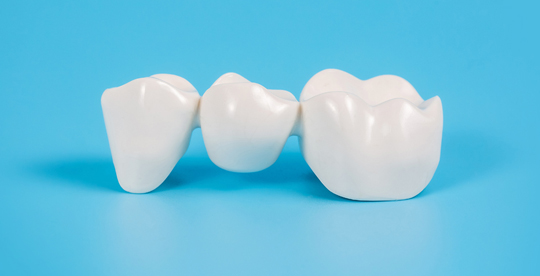
Dental crowns are caps used to cover teeth that are chipped, decayed or even discolored. My Dental Clinic can match the dental crowns to the color of your healthy teeth or even make them from gold, depending on your preference. They correct a variety of dental issues such as stains, cracks or extensive missing tooth structure due to decay (after decay removal). Not only do the crowns improve your smile’s appearance, but they can also prevent further damage to teeth.

How Can I Get Dental Crowns in Calgary?

The first step to getting dental crowns in Calgary is contacting our dental office and scheduling an appointment. During your treatment process you can expect:

  • An examination of your oral health
  • Discuss dental crowns and which you’d prefer
  • A mold will be taken to create your custom crown
  • Your tooth will be prepared for crown placement
  • A mold will be taken for the interior of the crown
  • Once the crown is fabricated, you will have your second appointment to test the fit and appearance.
  • The crown will be bonded and shined.
  • Show off your new smile!

Frequently Asked Questions About Dental Crowns

Patients often wonder why a filling cannot simply be replaced. In some situations, repeated restoration replacement or extensive loss of tooth structure may leave the tooth less capable of withstanding normal chewing forces. A crown may be considered when additional coverage and support are needed.
Not necessarily. Root canal treatment addresses the health of the tissue inside the tooth, but the amount of remaining tooth structure varies from case to case. Dentists evaluate factors such as tooth location, functional demands, and structural integrity before recommending further restoration.
No. Some cracked teeth may be suitable for crown restoration, while others may not. The depth, location, and direction of the crack are important considerations when determining whether the tooth can be predictably restored.
Treatment generally involves preparing the tooth, taking digital scans or impressions, and fabricating a custom restoration that fits the patient's bite and tooth anatomy. Once completed, the crown is fitted and secured to the prepared tooth.
A crown relies on an adequate foundation. Before recommending treatment, dentists evaluate the amount of healthy tooth structure remaining, root condition, supporting bone levels, bite forces, and the overall restorability of the tooth.
Yes. Crowns may develop wear, fractures, marginal gaps, or other changes over time. These concerns are not always accompanied by symptoms, which is why regular examinations remain important.
Teeth experience different levels of functional stress depending on their location in the mouth. Dentists consider both structural loss and chewing forces when deciding whether a filling will provide sufficient long-term support or whether a crown may be more appropriate.
Not always. Crowns may also be recommended for teeth affected by significant wear, extensive restorations, structural compromise, or other conditions where additional protection may help support long-term function.
At My Dental Clinic, crown recommendations are based on a comprehensive assessment of tooth structure, restorability, bite function, and long-term treatment objectives. Treatment planning is individualized according to the clinical findings for each patient.
In Calgary, AB, concerns such as wear, fractures, or structural weakness in a tooth with a large filling commonly prompt patients to seek evaluation. An examination can help determine whether crown treatment is appropriate, based on the condition of the tooth and surrounding structures.
Click to listen highlighted text!